CINEMA
Films to watch
with all five
senses
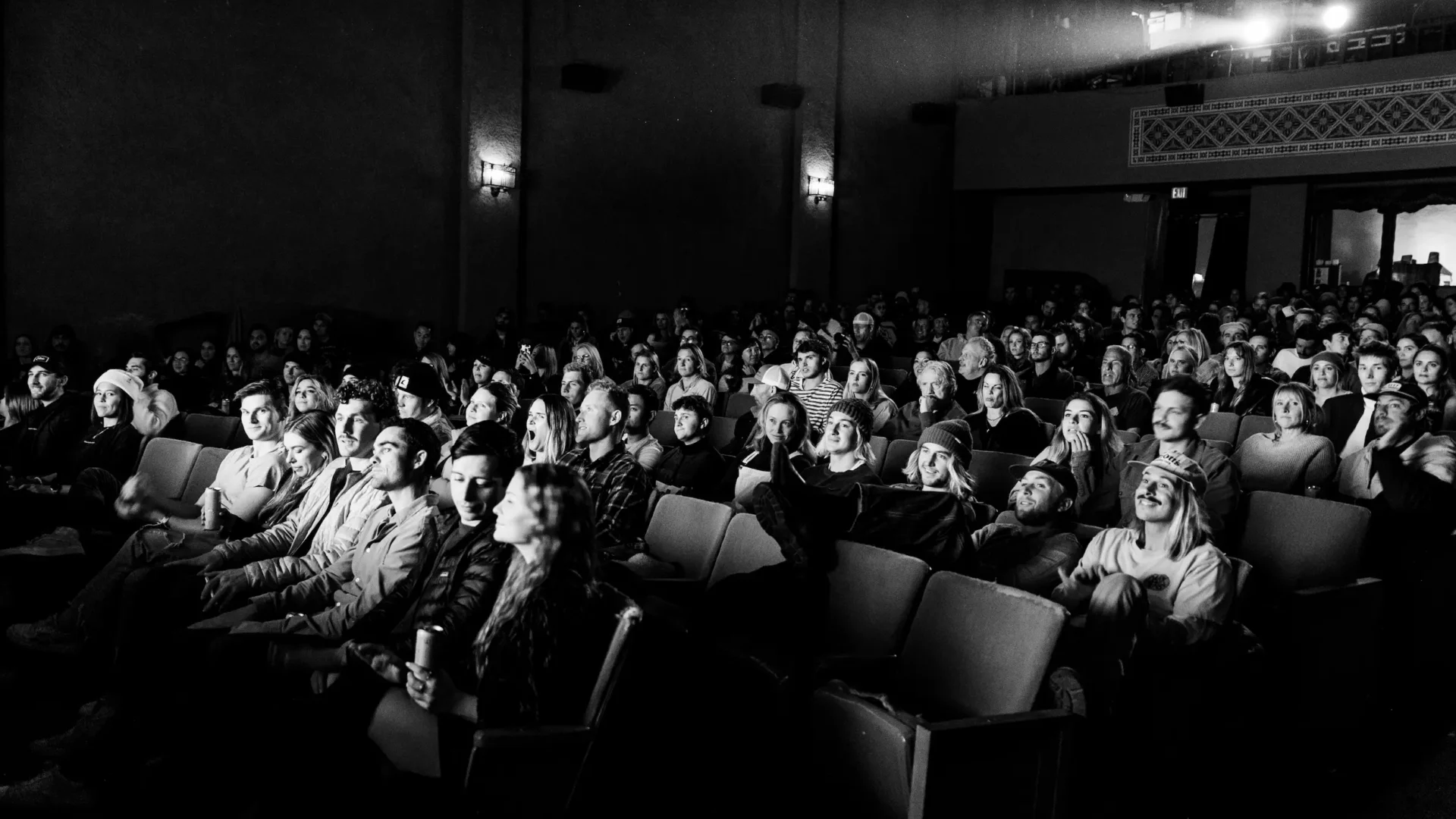
There is a kind of cinema that asks for nothing in return. It has no wish to change anyone’s mind or leave a knot in the stomach. It is made to be looked at and listened to, and then carried out into the street under a different light.
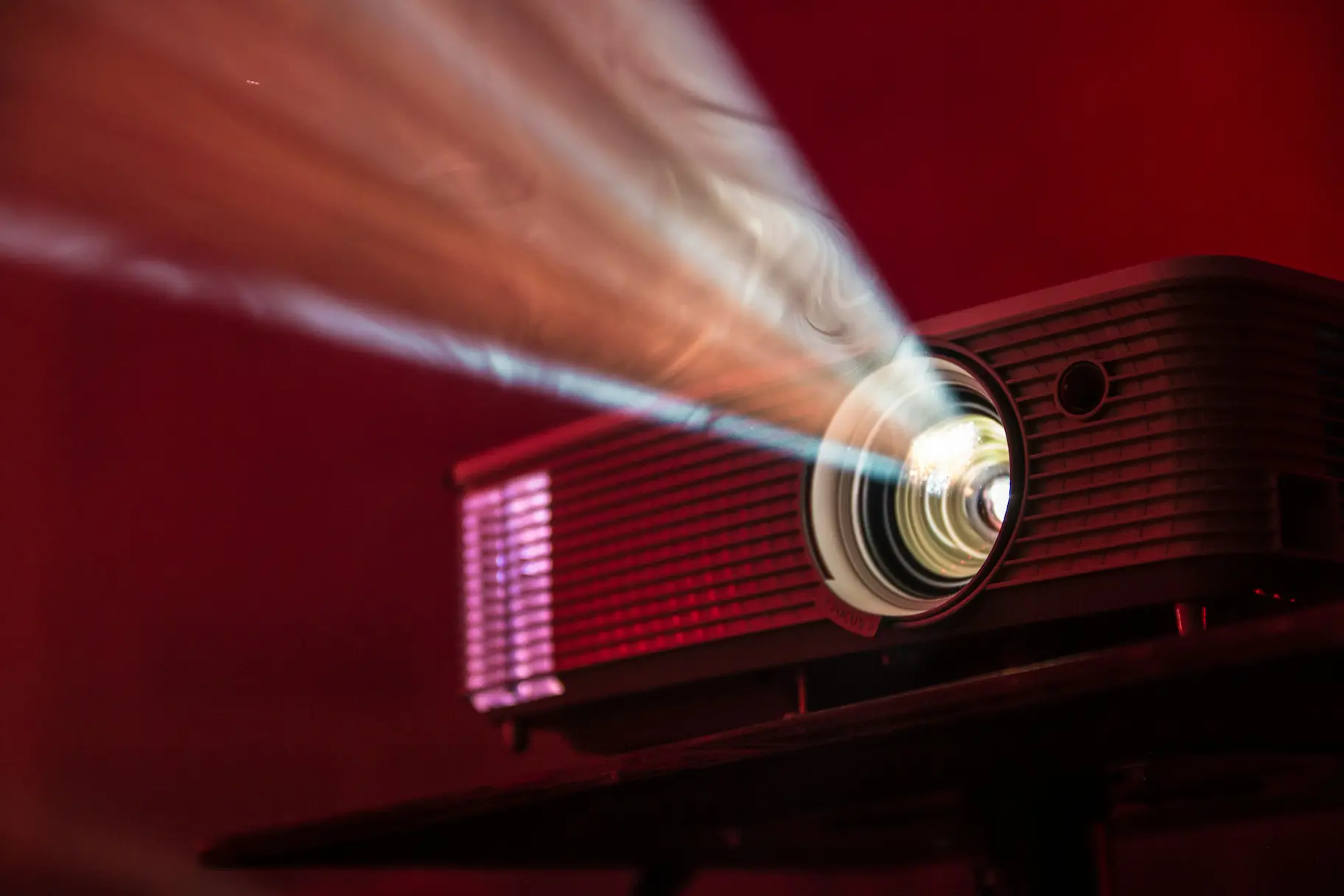
Some films are better received on a quiet afternoon than on any opening night.
For years, pleasure at the cinema has been regarded with a touch of suspicion, as though a film could only be taken seriously if it hurt. The five below make a different case: that some films exist to be enjoyed, and that enjoying them is a perfectly respectable form of attention.
A word before starting. None of them is naive. Several begin with illness, loneliness or a world coming to an end, and each finds its own way of telling it. What they give to anyone watching is time that has been looked after: a certain light, a piece of music, a rhythm that never hurries.
A skateboard in Iceland and a life waiting to start
Ben Stiller’s 2013 version of The Secret Life of Walter Mitty grew out of a short story James Thurber published in The New Yorker in 1939, about an ordinary man who escapes his routine through heroic daydreams. The film lets Walter stop daydreaming at some point and step into the real world. He does it in Iceland, which also stands in for Greenland and the Himalayas, and which Stuart Dryburgh photographs with an almost painterly patience.
One scene tends to stay with people long after a first viewing. Walter rides a skateboard down the road toward Seyðisfjörður, the fjord opening out ahead of him. José González plays, and for a few minutes the film is content to be a landscape with music. Add Of Monsters and Men and a David Bowie song that keeps returning, and the soundtrack becomes a second journey of its own.
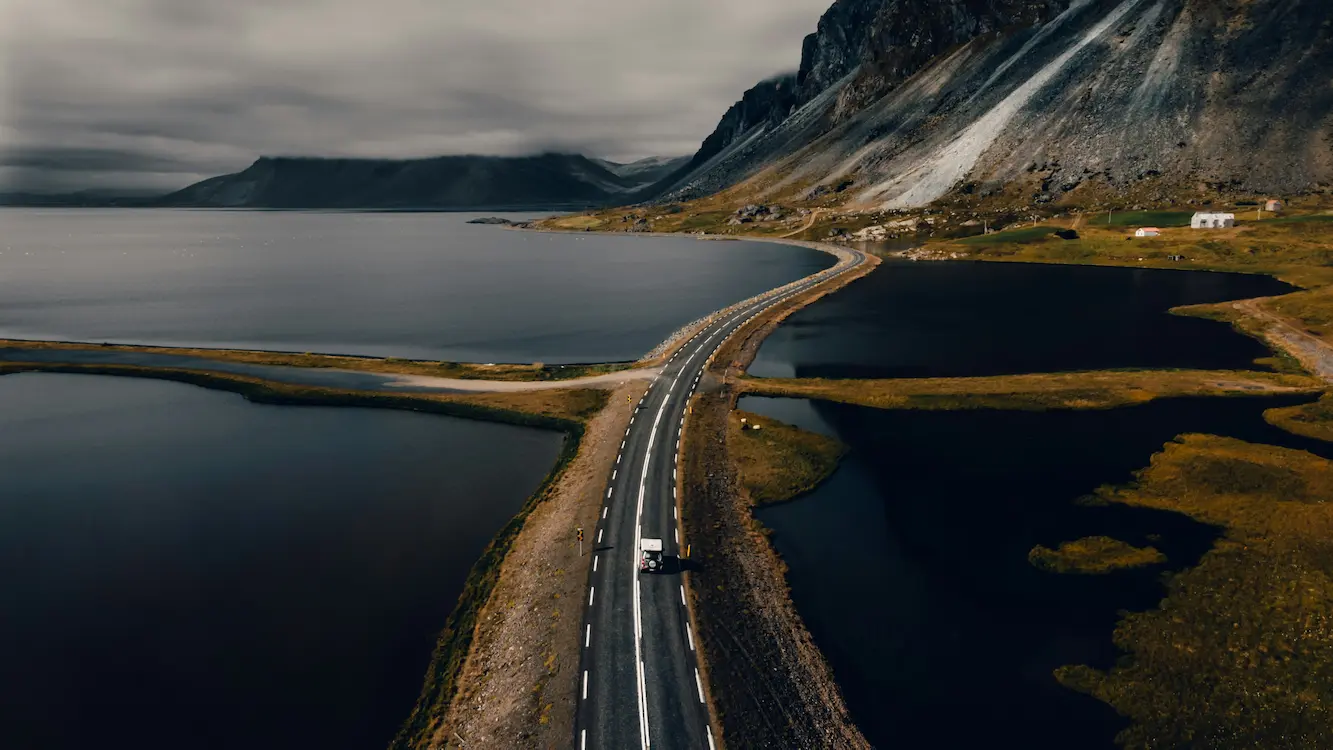
Iceland, where much of the film was shot.
The Intouchables, or knowing when to laugh
Olivier Nakache and Éric Toledano started from a true story: that of Philippe Pozzo di Borgo, an aristocrat left quadriplegic after a paragliding accident, and Abdel Sellou, the young man he hired as a carer over far better qualified candidates. Pozzo di Borgo had told his story in a book, Le Second Souffle. The film that came out of it drew more than nineteen million viewers in France in 2011.
The plot is clear within ten minutes. It hardly matters. What carries The Intouchables is its tone: the humour, Ludovico Einaudi’s piano, and a dance scene set to September by Earth, Wind & Fire that says more about letting go than any dialogue could. Omar Sy won the César for best actor for the role.
Some films improve on a second viewing. With the worry about what happens next gone, there is room to notice a glance, a background detail, a single chord.
A retouched Paris: Amélie
When Jean-Pierre Jeunet released Amélie in 2001, he built a Montmartre that exists, though not quite like this. With Bruno Delbonnel behind the camera, the film was washed in saturated reds, greens and yellows through a digital colour treatment that was unusual at the time, and the streets were cleaned of graffiti and anything else that jarred. The result feels like a memory that has been carefully touched up.
Yann Tiersen’s accordion, Audrey Tautou’s small obsessions and the Café des 2 Moulins, still open on rue Lepic, did the rest. It is a collection of tiny pleasures: sinking a hand into a sack of beans, cracking the crust of a crème brûlée with a teaspoon. Anyone who watches Amélie learns, almost without meaning to, to notice things like that.
The most generous films are the ones that teach us to look at small things.
The Grand Budapest Hotel, a pastry in motion
Wes Anderson has acknowledged his debt to the writing of Stefan Zweig, to that nostalgia for a Europe fading from view, and in 2014 he turned it into a film of pinks, mauves and powder blues. The hotel’s facade is largely a miniature. The interior was shot in a former department store in Görlitz, Germany. Every frame is composed like a bakery window, and the story changes screen format depending on the era it visits.
Alexandre Desplat won the Oscar for best original score, and the film took four statuettes in all. Between the chases and the sledge runs, what remains is the tone of a gentle comedy that suits any season. It may be the most calculated film on this list, and it still never feels heavy.
Mamma Mia! and the blue of the Aegean
In 2008 Phyllida Lloyd directed the screen version of the stage musical built on ABBA’s songs, and took it to Greece with an uncommon conviction: that the sea, the whitewash and the sun could do a good share of the work. It was shot on the island of Skopelos and in other corners of the Aegean, and the white chapel of Agios Ioannis, perched on a rock, became one of the most recognisable wedding settings in recent cinema.
Meryl Streep, Amanda Seyfried and Pierce Brosnan sing with little fear of looking silly, which is part of the charm. Every number has more joy than polish, with terraces, boats and whitewashed walls for a backdrop. It is probably the most openly sunlit film on this list, and it works precisely because it makes no attempt to hide it.
An afternoon at the pictures, unhurried
These films ask for very little, though they do repay a certain way of watching. With a phone within reach they stay entertainment. With the screen to itself and a little attention, they start to deliver what they promise.
You will need
- A film chosen in advance
- A blanket and a single lamp
- Popcorn made in a pot
- The phone in another room
Steps
Choose in the morning, rather than at ten at night among twenty options.
Set up the room with low light and something to drink within reach.
Watch it all the way through, without pausing, even if it is a familiar one.
Stay for the end credits. In almost every case the music is worth the wait.
There are seasons when a film with masterpiece ambitions is exactly what is wanted. And there are others, far more common, when one that makes life a little lighter for two hours is plenty.
Some afternoons, looking at something beautiful is the whole plan.
Sources and references
- Ben Stiller (dir.). The Secret Life of Walter Mitty, 2013. Wikipedia
- Olivier Nakache and Éric Toledano (dirs.). Intouchables, 2011. Wikipedia
- Jean-Pierre Jeunet (dir.). Le Fabuleux Destin d’Amélie Poulain, 2001. Wikipedia
- Wes Anderson (dir.). The Grand Budapest Hotel, 2014. Wikipedia
- Phyllida Lloyd (dir.). Mamma Mia!, 2008. Wikipedia
